In this interview, ICHNO 2026 Co-Chair Dr Yungan Tao explains how the theme “Driven by Biology, Centred on the Person” reflects a new era in head and neck oncology—one that combines biological precision with truly patient-centred care. He highlights how the joint efforts of ESTRO, EHNS, and ESMO create a rich multi-disciplinary environment where innovations such as AI-supported care and novel immunotherapy strategies can be shared.
As he notes, ICHNO 2026 will offer an inspiring space for collaboration, learning, and advancing care for patients worldwide
What inspired the theme “Driven by Biology, Centred on the Person: A New Approach to Head and Neck Cancer” for ICHNO 2026, and why do you think this approach is important for head and neck oncology?
The theme “Driven by Biology, Centred on the Person” highlights two key priorities in head and neck oncology: using new biological insights to guide precise treatments, and keeping the patient’s overall well-being at the centre of care. Recent advancements in immunotherapy, antibody-drug conjugates (ADCs), and biomarkers—such as liquid biopsies and genomic profiling—enable personalised therapies, including intensified treatments for aggressive cancers or de-escalation strategies for HPV-related cases to minimise long-term side effects. Simultaneously, head and neck cancers profoundly impact essential functions like speech, swallowing, and appearance, necessitating comprehensive care that addresses psychological, social, and functional needs. This approach is critical because it integrates scientific innovation with compassionate, patient-centred care, optimising both survival rates and quality of life for patients facing these complex cancers.
How does the collaboration between ESTRO, EHNS, and ESMO enhance the congress and benefit attendees?
The collaboration between ESTRO, EHNS, and ESMO brings together experts in radiation, surgical, and medical oncology, creating a truly multi-disciplinary platform. Attendees gain from shared guidelines, lively discussions on key topics like organ preservation, and practical insights to improve treatment strategies. This partnership also strengthens international networking, helping reduce variability in care and ultimately improving patient outcomes.
What are some of the most exciting innovations or research topics that participants can expect to learn about at this congress?
Participants can look forward to cutting-edge topics such as AI in multi-disciplinary care, novel combinations of immunotherapy – local treatments, and customised strategies for HPV- and EBV-related cancers. Updates on TNM classification systems, advancements in survivorship and methods to reduce late toxicities will also be highlighted. Overall, the focus is on turning the latest research into practical treatments while reducing side effects and treatment burden.
How does ICHNO 2026 aim to facilitate multi-disciplinary collaboration, and why is this important for advancing patient care in head and neck oncology?
ICHNO 2026 will promote multi-disciplinary collaboration through tumour boards where different specialists discuss complex cases, as well as joint workshops on topics like rehabilitation. This collaborative approach is crucial in head and neck oncology because these cancers demand a delicate balance—effectively controlling the tumour while preserving essential functions like speech, swallowing, and appearance. Close coordination among specialties ensures personalised, comprehensive treatment plans that enhance outcomes and prioritise patients’ quality of life.
What message would you like to share with potential attendees about the value of joining this congress in Seville?
ICHNO 2026 in Seville offers a unique opportunity to engage with the latest scientific advancements, participate in interactive, practical workshops and dynamic discussions, and network with colleagues in an energetic cultural setting. Previous congresses have directly influenced clinical practice. It is an opportunity to connect biology with humanity and leave inspired to improve care for people with head and neck cancer.
Why should researchers and clinicians submit an abstract to ICHNO 2026?
Submitting an abstract to ICHNO 2026 is a chance to present your work to a large, multi-disciplinary audience and connect with leading experts. Many past presenters have built new collaborations, and key topics like innovative/personalised therapies, novel treatment combinations, de-intensification strategies, patient-reported outcomes, and biomarkers are especially encouraged. Accepted abstracts gain visibility through oral sessions and other types of publications, helping to advance both careers and patient care.
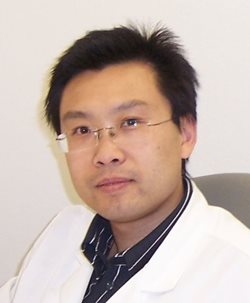
Dr Yungan Tao (ESMO)
MD, PhD, radiation oncologist, Institut Gustave Roussy, (FR)